blunder.zone
by chess lovers, for chess lovers
Failure is simply the opportunity to begin again, this time more intelligently.
— Henry Ford
Three training modes first
Blunderzone is primarily a training app with three different ways to practice: game-based training, memory training, and quick training.
The list of your recent games is there to support those training modes. It helps you review where the positions came from, but the main point of the product is training, not game browsing.
We learn from failure, not from success.
— Bram Stoker, Dracula
Game-based training
The best chess school is your own mistakes from your own games. These are not artificial positions. They are real positions from games you actually played, from structures and situations you really reach over the board.
Because of that, these puzzles are often different from standard tactics trainers. Sometimes there is more than one good move. Sometimes the point is a positional improvement, not a flashy combination. Sometimes the right answer is simply a preventive move that stops the opponent's idea before it starts.
These tasks are then repeated with spaced repetition, so the app keeps bringing them back until the pattern becomes familiar and usable in practical play.
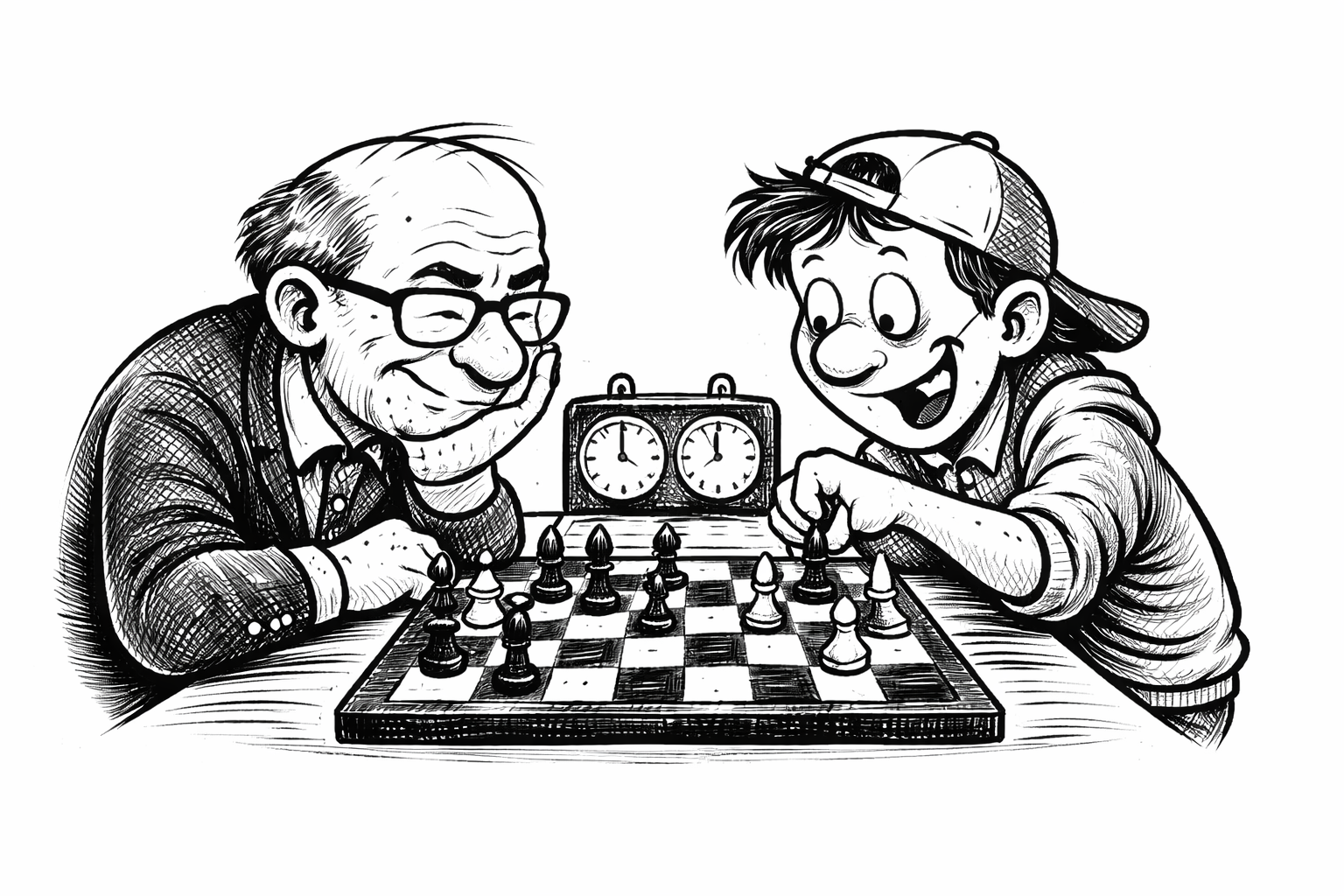
For most players, the best results come from generating these puzzles mainly from slower games, especially rapid.
Memory training
After reading The Woodpecker Method, the obvious next idea was to build software for it. I had already worked on software that uses spaced repetition, so I knew that spaced repetition can be more precise than the Woodpecker approach, but it really needs software to work well.
I also wanted to fix one practical problem with books: the same set of puzzles is not equally useful for everyone. A puzzle collection that feels right for one player may be too hard for another. In Blunderzone, puzzle difficulty is adjusted to your level, based on the rating you reach while solving.
The best habit here is simple: every day, solve all puzzles that are due for review, and add at least one new puzzle.
Mistakes are there, waiting to be made.
— Garry Kasparov
Quick training
One useful form of practice is solving easier chess puzzles at high speed. Quick training gives you a set of 10 puzzles, and each one must be solved in just 15 seconds.
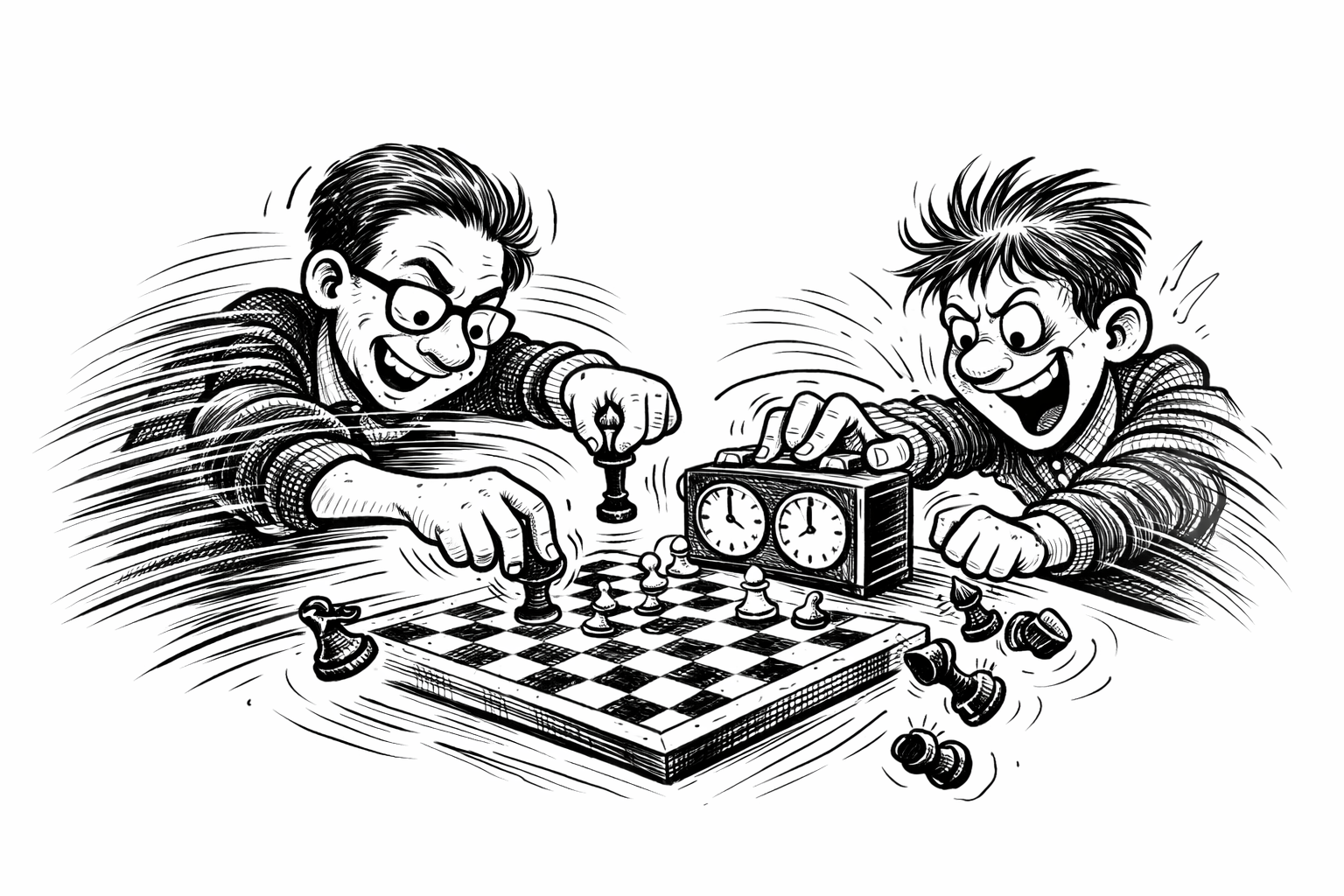
The puzzle selection adapts to your rating, so the session stays fast without becoming random.
A practical daily goal is to complete at least one full 10-puzzle session.