Building an Opening Repertoire That Feels Like Your Own
Why I added opening preparation to Blunderzone.
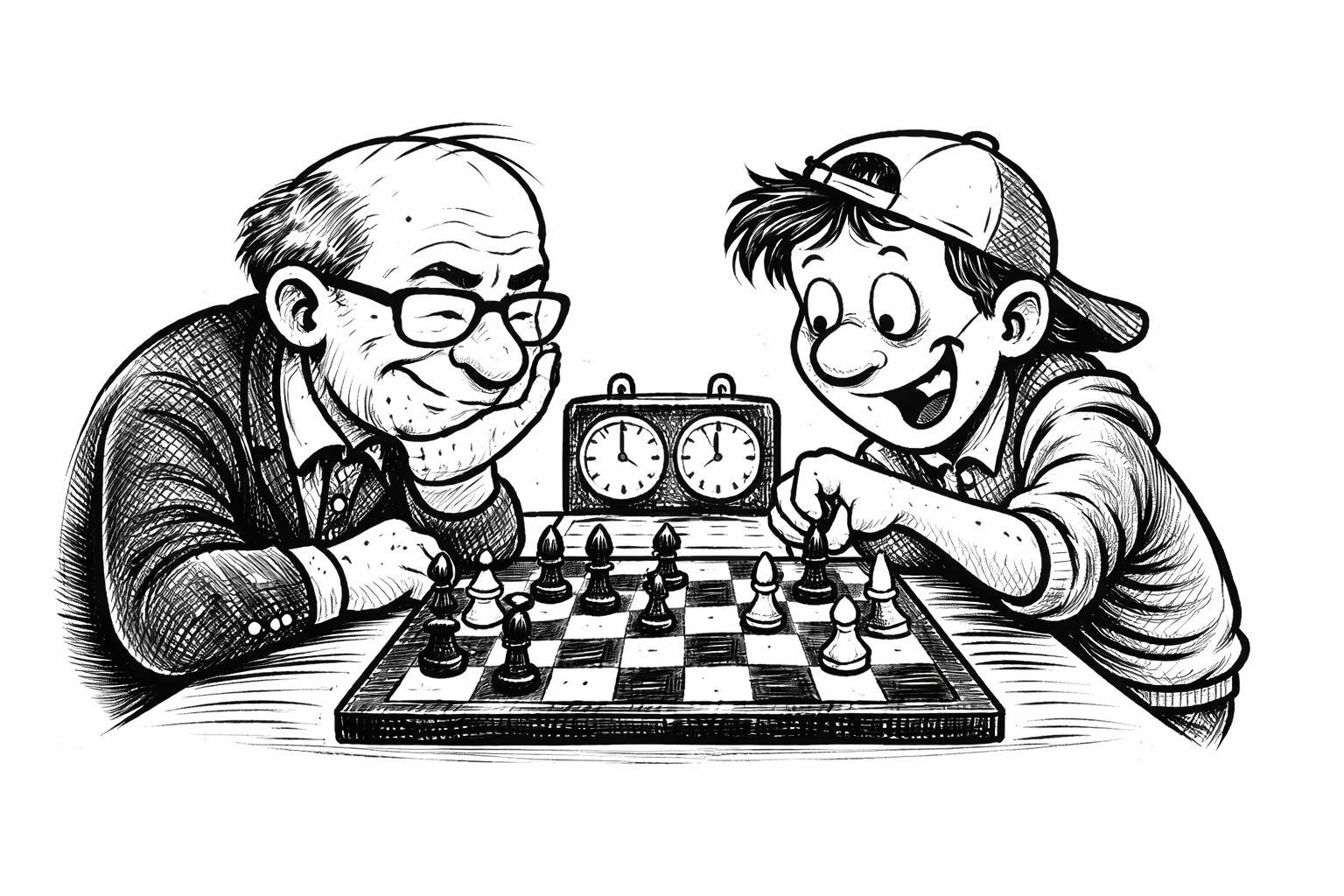
I have mixed feelings about memorising chess openings.
I have heard strong opinions against it, including from very strong players. I can understand the concern: remembering a sequence of moves does not necessarily mean you understand the position you reach.
But I do not think there is one right balance for everyone. It depends on the player, the opening, and the kind of positions you want to play.
In some openings, knowing the typical plans and where the pieces belong gives you a useful starting point. In sharper positions, the exact move order can matter a great deal.
I am still finding that balance myself. When I added opening preparation to Blunderzone, I wanted players to have room to find their own.
My repertoire does not come from one book
When I prepare an opening, I rarely want to follow a single source from beginning to end.
I might like one author’s recommendation against a particular response, but prefer another book’s approach against something else. As I work through the positions, I also use Stockfish to explore alternatives and check my ideas.
Gradually, those choices become my own opening tree.
The books provide ideas and explanations. The engine helps me investigate concrete moves. But I want to decide which branches belong in my repertoire and which positions I am willing to play.
That process is an important part of the preparation for me.
Where my previous workflow got awkward
I had been using other opening-training tools for some time before building this part of Blunderzone.
In my ChessTempo workflow, I prepared my repertoire elsewhere, using another program, and then imported the finished PGN into the trainer. That worked, but it meant moving between tools to build the material and practise it.
I wanted those activities to be closer together. When I changed my mind about a variation, I wanted updating my repertoire to feel like a natural part of studying it.
Chessable offered a different experience. I think it is very good software, and its opening courses contain valuable material. But I kept running into a mismatch between a complete repertoire chosen by an author and the repertoire I wanted for myself.
I might like some variations in a course while wanting different choices elsewhere. My preparation drew on several books, so following one author’s selection was never quite the whole answer.
These tools helped me understand what I wanted: an easier way to build and train my own combination of ideas.
Choosing the positions I want to play
An opening repertoire involves many small, personal decisions.
Do I like the positions this variation leads to? Does the plan make sense to me? Am I comfortable with the amount of precise preparation it requires? Would I rather choose another line, even if the author recommends this one?
I wanted to make those decisions myself and keep the results in one opening tree.
That also means being able to change my mind. A variation that initially looks appealing may feel uncomfortable after a few games. Another line may become more interesting once I understand its ideas.
I wanted a repertoire I could keep working on as my experience grew.
Leaving the memorisation question to the player
Building an opening trainer did not resolve my doubts about how much opening theory a player should memorise.
Instead, those doubts shaped what I wanted to build.
One player may want a small repertoire that gets them into familiar positions. Another may enjoy investigating a complicated variation in detail. Even within my own preparation, I do not necessarily want the same depth in every branch.
The software should give me control over the material I choose to study. How far to take it remains a chess decision.
For me, remembering moves and understanding ideas are both parts of preparation. I want the freedom to decide how much attention each position needs.
Why openings became part of Blunderzone
Like the other parts of Blunderzone, opening preparation began with something I wanted to make easier in my own training.
I was already combining books, exploring positions with Stockfish, and building a personal repertoire. I wanted a more convenient way to bring that work together and practise what I had chosen.
That is why I added it.
I do not have a universal prescription for studying openings. What I wanted was a tool that would let me build my own approach—and give other players the same freedom.